 904.834.9938
  support@avucamd.com
The Dynamic Landscape of Trainee Communities
In today’s interconnected globe, pupil communities play a pivotal duty in shaping scholastic and personal experiences.

These areas are not simply collections of people but are vibrant ecosystems that cultivate growth, learning, and cooperation among students. They differ commonly in type and function, from campus-based groups to global on the internet discussion forums, each offering unique opportunities for engagement and advancement.
Whether you are stepping onto an university campus for the very first time or taking part in virtual knowing settings, recognizing the structure and advantages of trainee communities can significantly enhance your instructional trip. This article delves into the essence of student neighborhoods, exploring exactly how they work, the advantages they supply, and the ways in which they can be leveraged for personal and academic success.
Recognizing Pupil Neighborhoods
Student communities are foundational to the academic experience, serving as both social and educational support group. At their core, these neighborhoods are teams formed normally by trainees who share common passions, goals, or disciplines. They can be informal, such as study groups, or official, like student unions and clubs.
These neighborhoods are identified by a shared identification and the collective pursuit of expertise, skills, and experiences. They function as platforms for students to connect, team up, and add to each other’s development, expanding beyond scholastic limits to affect personal development and neighborhood involvement.
Fundamentally, trainee areas are microcosms of bigger societal frameworks, where management skills are sharpened, ideas are exchanged, and lifelong friendships are formed. The interactions within these communities reflect a varied blend of cultural, intellectual, and social dynamics.
- Networking Opportunities: Student neighborhoods supply a network of peers and advisors that can offer support and assistance.
- Skill Growth: Taking part in area tasks helps students develop necessary skills such as interaction, leadership, and team effort.
- Resource Access: These neighborhoods frequently offer accessibility to academic sources, including study materials and professional suggestions.
- Social Involvement: They offer a platform for social communication, easing the shift into new scholastic atmospheres and helping to deal with isolation.
Via these various features, trainee neighborhoods come to be integral to the all natural growth of students, laying a foundation for future expert and individual success.
The Benefits of Engaging in Pupil Areas
The advantages of joining trainee areas are diverse, impacting both scholastic and individual spheres.
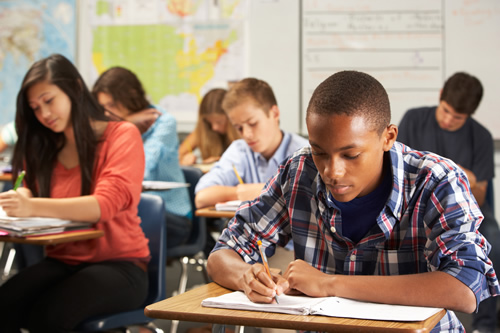
On a scholastic level, these neighborhoods urge collaborative discovering, allowing pupils to benefit from varied viewpoints and experience. Sharing knowledge and resources within a community can bring about extra effective learning end results and enhanced academic performance.
In addition, pupil neighborhoods offer a platform for personal development and self-discovery. By involving with peers from different backgrounds and disciplines, trainees get a broader worldview, enhancing their cultural capability and empathy. This exposure to diverse point of views is very useful in establishing important thinking and analytic abilities.
Additionally, energetic engagement in neighborhood tasks can increase pupils’ self-confidence and self-worth. Handling leadership functions or taking part in discussions and occasions promotes a feeling of accomplishment and belonging, which is vital for general wellness and inspiration.
Sorts Of Student Communities
Student communities been available in various forms, each satisfying different passions and objectives. These can be extensively classified right into scholastic, cultural, entertainment, and expert areas, among others. Each type offers one-of-a-kind systems and possibilities for student interaction.
- Academic Communities: These are commonly focused around particular fields of study or scholastic passions. Examples include study groups, honors cultures, and departmental clubs.
- Cultural Neighborhoods: These teams concentrate on promoting social recognition and variety, often arranging occasions and tasks to commemorate numerous practices.
- Recreational Neighborhoods: These consist of sports teams, leisure clubs, and hobby-based groups that supply a break from academic rigors and advertise physical and psychological wellness.
- Specialist Areas: These are aimed at profession growth, using networking opportunities, workshops, and mentorship programs to prepare students for the specialist globe.
By recognizing and involving with the right communities, students can customize their university experiences to straighten with their rate of interests and career aspirations, leading the way for a satisfying scholastic trip.
Building a Growing Student Area
Creating and preserving a growing student area calls for effort and cooperation from both trainees and universities. It begins with cultivating a comprehensive atmosphere where all pupils really feel invited and valued regardless of their backgrounds.
Organizations can support this by offering resources and centers that motivate communication and participation. This includes producing physical areas A function has X-intercept 4 and y-intercept 2. name two other points on the graph of this function. Please explain thoroughly on how to find another point. like pupil unions and on-line platforms that help with communication and collaboration. Additionally, arranging events, workshops, and seminars can better boost interaction, providing trainees with chances to connect and learn from each various other.
Management and Student Involvement
Reliable management is critical in supporting a successful pupil neighborhood. Management functions within these areas provide pupils an opportunity to establish and show their organizational and interpersonal skills. Pupils that think these duties contribute considerably to setting the tone and direction of their neighborhoods, influencing their peers favorably.
Encouraging leadership and energetic involvement amongst students not just enhances the neighborhood but also empowers people, preparing them for future challenges. By fostering a society of partnership and support, student areas can grow, leaving a lasting effect on their members and the scholastic environment as a whole.
 AVUCA MD PLLC P.O. Box 600190 St. Johns, FL 32260
 (904) 834-9938
 support@avucamd.com
Leave a Reply
Want to join the discussion?Feel free to contribute!